Cleaning access issues in Hounslow flats tight stairs solutions
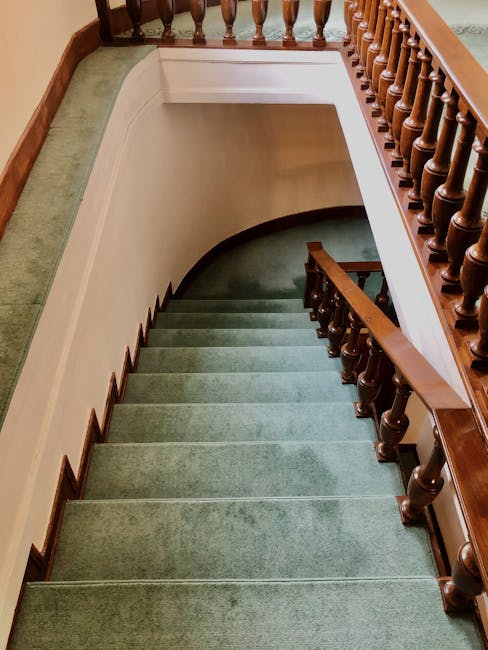
If you live or work in a Hounslow flat with narrow stairwells, awkward turns, or landings that seem to shrink every time someone carries equipment through them, you already know the problem: cleaning is rarely just about the cleaning. It is about access, timing, protection, and not making a small space feel even smaller. Cleaning access issues in Hounslow flats tight stairs solutions are all about handling those real-world obstacles properly, so the job gets done safely, neatly, and without damage.
That might mean choosing compact equipment, planning carry routes, protecting walls and banisters, or deciding that a certain machine simply is not sensible for the building. In our experience, the best results come from thinking through the stairs before the first bucket is lifted. This guide breaks the whole thing down in plain English, with practical steps you can actually use.
Why Cleaning access issues in Hounslow flats tight stairs solutions Matters
Flats in Hounslow come in all shapes and ages. Some have long communal staircases, some have tight internal steps, and some have that classic London combination of a narrow hallway, a sharp bend, and barely enough room to pass a hoover, let alone a full carpet machine. When access is tight, ordinary cleaning becomes a planning job.
This matters for three simple reasons. First, safety. A heavy item on a steep or narrow staircase is one slip away from a damaged wall, a grazed hand, or a bad day. Second, cleanliness. If access is awkward, corners get missed and the work can turn patchy. Third, neighbour relations. Nobody wants repeated banging, wet footprints, or equipment dragged up and down stairs at the wrong time on a weekday morning. Let's face it, people notice.
There is also the practical reality of property type. In older blocks, the stair layout may restrict larger machines. In converted houses, stair widths can vary from landing to landing. In maisonettes, the route from street to flat may involve shared entrances, doormats, and a few too many door handles for comfort. A good plan turns all that into a workable job instead of a stressful one.
Expert summary: the best solution for tight-stair cleaning is rarely brute force. It is usually a mix of advance access checks, compact equipment, careful handling, and the right cleaning method for the surface and route.
How Cleaning access issues in Hounslow flats tight stairs solutions Works
The process starts before anyone arrives on site. A proper access check tells you what the stairwell can realistically handle. That means looking at stair width, ceiling height, turning space, lift availability if any, parking distance, and whether the route includes shared corridors or protected communal areas. If you skip that stage, everything else gets harder. Much harder.
From there, the cleaning approach is matched to the building. For example, a compact system may be better than a large extraction unit. A dry or low-moisture method may suit a carpeted landing where there is limited drying space. In other cases, the job might be split into smaller stages to reduce traffic through the staircase.
Protection is the second part of the process. On a tight route, walls, skirting, banisters, and corners are the first things to suffer. Professional teams usually use corner guards, floor protection, and careful staging so the cleaning work does not create new marks. That sounds obvious, but in a real building at 8:00am, obvious things get skipped surprisingly often.
Then comes the actual cleaning. Depending on the surface, this could mean steam carpet cleaning, upholstery cleaning, hard floor cleaning, or a more general deep clean. The point is not just to clean the target area, but to do it without turning the access route into part of the problem.
For homes with ongoing cleaning needs, a regular service can be much easier to manage than a once-in-a-while scramble. If the building layout is especially awkward, you may also want to compare a one-off clean with a more structured domestic cleaning plan through domestic cleaning or regular cleaning, depending on how often the space needs attention.
Key Benefits and Practical Advantages
Solving access issues properly brings a few very real benefits.
- Less risk of damage to walls, handrails, paintwork, and flooring on the way in and out.
- Better cleaning results because the equipment and method fit the space instead of fighting it.
- Faster turnaround once the route is planned and the team knows what to expect.
- Lower stress for residents, tenants, landlords, and building managers.
- Improved neighbour comfort because there is less noise, less disruption, and fewer repeated trips.
- More predictable pricing when access has been assessed honestly from the start.
There is another advantage people often forget: confidence. If you know the stairwell has been measured, the route has been considered, and the cleaning method suits the property, you stop worrying whether something will get scratched, soaked, or stuck halfway up the stairs. That peace of mind matters more than most people admit.
For landlords and agents, access-aware cleaning can also support smoother move transitions. A good end of tenancy cleaning or move out cleaning visit is far easier to sign off when the building was handled properly from the start.
Who This Is For and When It Makes Sense
This topic is relevant to quite a wide group of people, not just one type of customer.
- Tenants who need a cleaner but have awkward internal stairs or narrow communal access.
- Homeowners in converted flats or maisonettes where large equipment is hard to move.
- Landlords and letting agents arranging pre-tenancy, mid-tenancy, or end-of-tenancy work.
- Airbnb hosts who need fast turnarounds without disrupting shared access routes.
- Property managers responsible for communal areas, stairwells, and shared corridors.
- Office managers in small upper-floor premises with limited lift or loading access.
It makes sense whenever the cleaning task is more complicated than simply arriving and starting work. If furniture, hoses, vacuums, or wet equipment will need to pass through a tight stairwell, the access question should be part of the booking conversation. Not after the van has parked. Not after the first awkward turn. Before.
If you are dealing with a flat that also needs post-work or post-renovation attention, it can be useful to look at after builders cleaning or deep cleaning, because those services usually need even more careful planning in tight spaces.
Step-by-Step Guidance
Here is a sensible way to handle cleaning in a flat with tight stairs. Simple enough on paper, but each step saves time later.
- Check the access route first. Measure the narrowest point, note any sharp turns, and identify shared areas that need protection.
- Decide what actually needs to come in. A compact machine, a smaller tank, or a different method may be more realistic than the biggest option.
- Protect the route. Use covers or guards on corners, banisters, and vulnerable flooring where needed.
- Choose the right cleaning type. Carpet, upholstery, hard floors, windows, and stains all need different handling.
- Stage the job logically. Work from the easiest access point to the most difficult, so you are not carrying wet items back and forth more than necessary.
- Keep drying and airflow in mind. Tight staircases can trap moisture and odours if the job is too wet or rushed.
- Inspect on departure. Check the stairs, landings, and entry points for drips, marks, or missed areas.
A small but useful example: if the living room carpet sits at the top of a narrow staircase, you might choose a lighter extraction setup or a steam-based method rather than a large, awkward machine that needs two people just to pivot. It sounds like a minor choice. It really isn't.
For many homes, combining carpet cleaning with stain removal or pet stain odour removal gives a much better result than trying to treat those issues separately.
Expert Tips for Better Results
After enough awkward staircases, a few lessons become clear.
Use the lightest practical kit. People often assume the bigger the machine, the better the clean. Sometimes yes. Often no. On tight stairs, lighter and more manoeuvrable usually wins.
Plan the exit route too. It is not enough to get equipment in. You need a clear way back out without scraping corners or dripping down steps. That bit gets forgotten a lot.
Keep the wet work minimal. Excess water in a stairwell is a nuisance and a slip hazard. Low-moisture methods can be a better fit than heavy soaking, especially where drying space is limited.
Protect the shared areas properly. If the entrance hall is communal, respect it. Residents remember who left the lobby messy. They always do.
Build in buffer time. Tight access jobs run better when nobody is chasing the clock. Rushing turns careful work into guesswork.
Ask about previous access issues. Has a sofa ever got stuck? Did the cleaner need a second person? Was parking a nightmare? Those details matter more than a glossy service description.
A slightly odd but honest note: a good cleaner becomes a bit of a stair detective over time. You start noticing everything. The angle of the banister. The squeak on the third step. The tiny landing that looks harmless until a vacuum turns sideways. That's the job, really.
Common Mistakes to Avoid
There are a few recurring errors that cause most of the trouble.
- Skipping the access check. This is the biggest one. If the route is tight, measure it.
- Bringing oversized equipment by default. Bigger is not always better in flats.
- Ignoring communal responsibilities. Shared stairs and landings need a different level of care.
- Using too much water. Wet stairs, soggy carpet edges, and slow drying times create avoidable problems.
- Not protecting corners and banisters. A single scuff can become a complaint.
- Underestimating timing. Parking, key collection, and repeated trips all eat into the schedule.
- Failing to confirm noise expectations. Early-morning drilling sounds are one thing; a cleaner hauling equipment up three flights is another. Residents will notice both.
Another mistake is assuming every service is suitable for every building. A flat with awkward stairs may still be perfectly manageable, but the method has to match the reality of the space. Otherwise the job becomes harder than it needs to be.
Tools, Resources and Recommendations
The right tools make a huge difference in tight-access properties. You do not need a warehouse full of gear. You need the right gear, thoughtfully chosen.
| Method | Best for | Why it works in tight stairs | Possible limitation |
|---|---|---|---|
| Compact carpet cleaning equipment | Bedrooms, lounges, small hallways | Easier to carry, turn, and position on landings | May take longer on very large areas |
| Steam or low-moisture cleaning | Carpets and some upholstery | Reduces water load and speeds drying | Not ideal for every stain or fibre type |
| Manual detailing tools | Edges, corners, banisters, awkward spots | Can reach areas where larger machines struggle | More labour-intensive |
| Hard floor cleaning approach | Communal halls, kitchens, small flats | Can limit mess and simplify access | Needs correct products for the flooring |
Where the property needs broader care, it can help to combine services rather than booking them separately. For example, hard floor cleaning may suit the hall or kitchen, while upholstery cleaning handles soft furnishings in the living room. If windows are difficult to reach because the staircase is awkward, window cleaning may also need a tailored approach.
For people trying to understand costs or compare options, it is sensible to speak about scope first rather than asking for a generic price. If access is tight, the stair route, equipment choice, and amount of manual handling all affect the work. A transparent quote is usually the fairest quote. If you want to explore that side, the page for pricing and quotes is a useful place to start.
Law, Compliance, Standards, or Best Practice
With access-heavy cleaning, the legal and practical side tends to overlap. In the UK, there is a general expectation that work is carried out safely, with appropriate risk awareness and reasonable care for occupants, neighbours, and the property itself. You do not need a legal lecture every time someone vacuums a staircase, thankfully, but you do need sensible practice.
Best practice normally includes:
- Risk assessment before work begins where the access route could create slipping, lifting, or trip risks.
- Manual handling awareness for carrying equipment up and down stairs.
- Clear communication with residents about arrival time, entry points, and drying periods.
- Care for communal areas so shared spaces are left as they were found, or better.
- Appropriate insurance for accidental damage or on-site issues.
It is also sensible to check the provider's own policies. A company that publishes a health and safety policy and explains its insurance and safety position is usually giving you a better signal of how it handles difficult access jobs. That does not guarantee perfection, of course. Nothing does. But it is reassuring.
For flats with shared spaces, some buildings also have their own management expectations about access times, lift use, or protection of common parts. Those building rules are not something to guess at. Ask first, then work around them.
Options, Methods, or Comparison Table
Not every flat with tight stairs needs the same solution. Here is a simple comparison to help you think it through.
| Approach | Best use case | Strengths | Trade-offs |
|---|---|---|---|
| Standard full-size equipment | Wide stairs, easy access, larger rooms | Efficient on broad areas | Often awkward or risky in narrow stairwells |
| Compact professional setup | Most tight-access flats | Balanced performance and manoeuvrability | May require more planning |
| Low-moisture or steam-based method | Shared stair access, quick drying needs | Less water, less disruption | Not always suitable for all fabrics or heavy soiling |
| Room-by-room split visit | Very tight or cluttered access | Reduces congestion and carry risk | Can take longer overall |
For many London flats, the compact approach is the sweet spot. It keeps the route manageable, protects the property, and still delivers a proper clean. In some cases, a one-off service is enough. In others, a more regular plan works better, especially if there are pets, family traffic, or shared entries that pick up dirt quickly. A service like one off cleaning can make sense when the job is periodic rather than ongoing.
Case Study or Real-World Example
Picture a typical Hounslow maisonette: two floors, a narrow staircase with a turn halfway up, and a small landing that barely fits two people side by side. The carpet on the stairs is worn at the edges, the lounge has one stubborn spill near the sofa, and the hallway floor collects grit from daily foot traffic.
A sensible approach here would begin with a quick access walk-through. The cleaner notes the narrowest turn, checks whether furniture needs moving, and decides not to bring a larger machine that would be awkward on the bend. Instead, a compact carpet setup is used for the lounge and stairs, while the hall gets targeted carpet cleaning and the spill is handled with careful stain removal. The landing is protected, the banister is kept clear, and the clean is done in a sequence that avoids repeated trips.
What changes for the client? Not magic. Just fewer bumps, less noise, and a cleaner flat that still looks tidy after the team has gone. The whole thing feels calmer. And honestly, calm is underrated in a building with tight stairs.
Another common example is move day. A tenant in a second-floor flat may need the carpets refreshed before handover, but the staircase is too narrow for large equipment. In that case, it can be smarter to combine move in cleaning or move out cleaning with a compact carpet method so the property is ready without blocking the corridor for hours.
Practical Checklist
Use this checklist before booking or carrying out the work.
- Measure stair width, turns, and landings.
- Check whether there is a lift, or whether everything must be carried by hand.
- Confirm the parking situation and walking distance to the entrance.
- Identify shared spaces that need protection.
- Decide which rooms or surfaces actually need cleaning.
- Match the method to the access route, not the other way round.
- Ask how the provider handles accidental damage and safety.
- Confirm drying expectations, especially for carpets and upholstery.
- Remove fragile items from routes and landings.
- Allow a little extra time. Tight access always takes longer than a wide-open hallway.
If the flat is occupied and family life is happening around the job, a more flexible service such as house cleaning can also be useful for keeping the rest of the home manageable while the awkward areas are treated properly.
Small tip, but a good one: take photos of the route before and after if you are a landlord, agent, or tenant organising the visit. It helps settle any confusion later. Not glamorous, but practical.
Conclusion
Cleaning access issues in Hounslow flats tight stairs solutions are really about combining good judgement with the right tools and a bit of common sense. When access is tight, the clean itself is only part of the job. Planning, protection, safe carrying, and the right method matter just as much.
Done properly, you get a better finish, less disruption, and far fewer awkward surprises on the stairs. Done badly, you get scuffs, delays, and that familiar feeling that the job became harder than it needed to be. Nobody wants that.
If you are working around a difficult flat layout, the best next step is usually a clear access check and a straightforward conversation about what needs doing. That simple bit of planning can save time, stress, and a few bruised shins. And that is a win, fair and square.
Get a free quote today and see how much you can save.
Frequently Asked Questions
What are the main cleaning access issues in Hounslow flats with tight stairs?
The most common issues are narrow stair widths, awkward turns, small landings, limited parking, shared entrances, and the challenge of moving equipment safely without damaging walls or banisters.
Can professional cleaners work in very narrow stairwells?
Usually, yes, but the method and equipment need to fit the building. Compact systems, careful carrying, and sometimes low-moisture cleaning are better than bringing oversized kit into a tight route.
Is steam cleaning suitable for flats with difficult access?
Often it is, because many steam-based or low-moisture approaches reduce water load and are easier to manage in smaller spaces. That said, suitability still depends on the fabric, soil level, and drying conditions.
How do cleaners protect walls and banisters on tight stairs?
They may use corner protection, careful route planning, and more controlled movement of tools and hoses. The key is to reduce repeated contact with the same narrow points.
Should I move furniture before the cleaners arrive?
If possible, yes. Clearing the access route makes a real difference. It speeds things up and lowers the chance of bumps, scrapes, or a machine getting stuck halfway up the stairs.
Does tight access usually make cleaning more expensive?
It can, because the job may take longer and require more careful handling or specialised equipment. The best way to know is to ask for a quote based on the actual access conditions.
What if my flat has shared communal stairs?
Then the route should be treated as part of the work area. Cleaners should avoid leaving mess behind, protect common areas where needed, and respect any building rules around access times or movement.
Can a landlord require professional cleaning before move-out in a flat with stairs?
Landlords can expect the property to be returned in the agreed condition, but the exact requirements depend on the tenancy agreement and the property's condition. For move-related jobs, planning the access route early is especially helpful.
What is the safest way to clean carpets in a top-floor flat with narrow stairs?
The safest approach is usually a compact machine, sensible carrying methods, and a cleaning plan that avoids excessive water. A pre-check of the stair route makes the whole thing much safer.
How long does a cleaning visit take in a flat with tight stairs?
There is no single answer. Tight access can add time for setup, carrying, protection, and drying. A small flat may still be quick, but an awkward route often makes the visit longer than the room count suggests.
What should I ask before booking a cleaning service for difficult access?
Ask whether they have handled narrow staircases before, what equipment they use, how they protect walls and floors, whether they are insured, and whether the quote includes the access conditions of your building.
Is it better to book a one-off or regular clean in a hard-to-access flat?
If the flat builds up dirt quickly, regular cleaning can be easier to manage because the work stays lighter each visit. If the property only needs attention occasionally, one-off cleaning may be the better fit.
What if my flat also needs upholstery, curtains, or windows cleaned?
It is often easier to bundle related tasks together so the access route is managed once rather than several times. Services such as sofa cleaning, curtain cleaning, and window cleaning can be planned around the same access needs.
How do I know if a provider takes safety seriously?
Look for clear safety information, proper insurance, and a sensible approach to access planning. Pages such as insurance and safety and health and safety policy can be useful signals of how seriously the provider treats the job.